Mono Material Labeling
Polyolefin
Compatibilities
One Technology. Endless Applications.
Mono Material Labeling
Polyolefin
Compatibilities
One Technology. Endless Applications.
Mono material labeling only works
when the chemistry is right.
Mono material labeling only works when the chemistry is right.
Polyfuze is engineered specifically for polyolefin plastics, materials like polypropylene and polyethylene that dominate durable products but resist traditional labels.
If your product is molded from a polyolefin, there is a strong likelihood it is compatible with Polyfuze mono-material labeling.
Polyfuze is compatible with a wide range of unfilled, filled, and modified polyolefin materials used in durable and reusable products.
Polypropylene (PP)
Details:
Polypropylene is a versatile polyolefin used across automotive, medical, consumer, and industrial products. It offers a strong balance of stiffness, chemical resistance, and manufacturability, making it one of the most common plastics in the world.
Traditional Label Challenges:
Like most polyolefins, PP resists adhesives due to low surface energy. Labels applied after molding are prone to peeling, edge lift, and abrasion, especially in high-use or wash-down environments.
Applications:
Automotive components
Medical devices and trays
Consumer durable goods
Industrial parts and housings
Glass-Filled (PP)
Details:
Glass-filled PP increases stiffness, dimensional stability, and structural strength. It is frequently used in load-bearing automotive and industrial components.
Traditional Label Challenges:
Fillers alter surface characteristics and can create inconsistent bonding zones for adhesives. Labels may crack or delaminate due to rigidity and stress concentrations.
Applications:
Automotive components
Medical devices and trays
Consumer durable goods
Industrial parts and housings
Talc-Filled (PP)
Details:
Talc-filled PP improves rigidity and heat resistance while maintaining moldability. It is widely used in automotive panels and appliance components.
Traditional Label Challenges:
Talc fillers can create micro-surface irregularities that reduce adhesive reliability. Thermal cycling often accelerates edge lift and surface breakdown.
Applications:
Interior trim
Appliance housings
Equipment panels
High-Density Polyethylene (HDPE)
Details:
HDPE is one of the most widely used polyolefin plastics in durable products. It offers excellent chemical resistance, impact strength, and long service life, making it common in reusable packaging, industrial containers, medical components, and outdoor products.
Traditional Label Challenges:
HDPE has very low surface energy, which makes it resistant to most adhesives and surface coatings. Traditional labels often peel, bubble, or degrade under washing, abrasion, and chemical exposure — especially in reuse and automation-heavy environments.
Applications:
Reusable totes, bins, and pallets
Industrial containers and enclosures
Medical transport and storage components
Outdoor and utility products
Medium-Density Polyethylene (MDPE)
Details:
MDPE balances flexibility and strength, often used in containers, tanks, and piping systems.
Traditional Label Challenges:
Like other polyethylenes, MDPE resists adhesives due to low surface energy. Flexing and environmental exposure further weaken surface-applied labels.
Applications:
Fuel tanks
Industrial containers
Utility components
Low-Density Polyethylene (LDPE)
Details:
LDPE is flexible, lightweight, and highly resistant to moisture. It is commonly used in flexible packaging and soft molded components.
Traditional Label Challenges:
Its flexibility and low surface energy make adhesive bonding inconsistent. Surface labels can distort or wrinkle as the material flexes.
Applications:
Flexible molded parts
Soft enclosures
Specialty containers
Ultra-High Molecular Weight Polyethylene (UHMWPE)
Details:
UHMWPE composite fabrics are constructed from ultra-high molecular weight polyethylene fibers, often laminated or combined with other materials to create lightweight, high-strength structures. Known for exceptional tensile strength, abrasion resistance, and low weight, these materials are used in demanding applications where durability and performance are critical.
Traditional Label Challenges:
UHMWPE fibers exhibit extremely low surface energy and are often combined into multi-layer composite structures, making adhesive bonding highly unreliable. Surface-applied labels struggle to adhere and frequently fail under flexing, abrasion, and environmental exposure. In many cases, labeling solutions degrade quickly or cannot be applied consistently at all.
Applications:
Aerospace and safety equipment (life vests, flotation devices)
High-performance outdoor gear and technical fabrics
Protective equipment and industrial textiles
Marine and laminated sail cloth applications
Metallocene Polyethylene (mPE)
Details:
Metallocene polyethylene (mPE) is a highly engineered polyolefin produced using metallocene catalysts, resulting in a more uniform molecular structure than conventional polyethylene. This enables enhanced toughness, clarity, and seal performance, making it widely used in films, flexible packaging, and high-performance molded components.
Traditional Label Challenges:
Despite improved mechanical properties, mPE retains the low surface energy characteristics of polyethylene. Adhesive-based labels struggle to achieve consistent bonding, particularly on smooth or flexible surfaces. In dynamic environments, labels may lift, distort, or fail prematurely under flexing, handling, and environmental exposure.
Applications:
Flexible packaging films and liners
Blow-molded containers and components
High-performance industrial films
Consumer packaging requiring durability and clarity
Thermoplastic Elastomers (TPE)
Details:
TPE combines elastomeric flexibility with thermoplastic processability. It is widely used in grips, seals, and flexible components.
Traditional Label Challenges:
Flexibility causes adhesive labels to distort, crack, or detach. Repeated compression and expansion accelerate failure.
Applications:
Tool grips
Medical components
Consumer handles
Thermoplastic Polyolefin (TPO)
Details:
TPO combines polypropylene with elastomeric modifiers to create a tough yet flexible material. It performs well across temperature extremes and outdoor environments, which is why it’s commonly used in automotive components, equipment housings, and exterior-facing products.
Traditional Label Challenges:
TPO’s flexibility, compounded formulations, and low surface energy make consistent adhesive bonding difficult. Surface-applied labels often distort, crack, or lose adhesion over time – particularly under UV exposure, abrasion, and repeated handling.
Applications:
Automotive interior and exterior components
Equipment housings and enclosures
Outdoor power equipment
Durable consumer and industrial products
Thermoplastic Vulcanizates (TPV)
Details:
TPV combines rubber elasticity with thermoplastic processing. Used where flexibility and durability are required.
Traditional Label Challenges:
Elastic recovery and surface behavior disrupt adhesive bonds over time.
Applications:
Automotive seals
Industrial gaskets
Flexible components
EVA Foam
Details:
EVA foam is lightweight, resilient, and impact-absorbing. Frequently used in protective and cushioning applications.
Traditional Label Challenges:
Porous and flexible surfaces reduce adhesive reliability and long-term durability.
Applications:
Protective inserts
Sporting goods
Safety equipment
Structural Foam
Details:
Structural foam molding produces lightweight yet rigid components with internal cellular structures. Often used in large industrial parts.
Traditional Label Challenges:
Surface textures and internal expansion patterns create uneven bonding conditions for adhesives.
Applications:
Large enclosures
Industrial housings
Reusable containers
SEBS (Styrene-Ethylene-Butylene-Styrene)
Details:
SEBS is a styrenic block copolymer elastomer used in flexible and impact-modified applications.
Traditional Label Challenges:
Its elastomeric behavior and surface chemistry reduce adhesive consistency.
Applications:
Soft-touch components
Medical grips
Consumer elastomeric products
Don’t see your material?
Send us an inquiry.
Talk with a Polyfuze engineer, request a free sample, or explore how fusion labeling fits into your process.
Why Material Matching Matters
Why Material Matching Matters
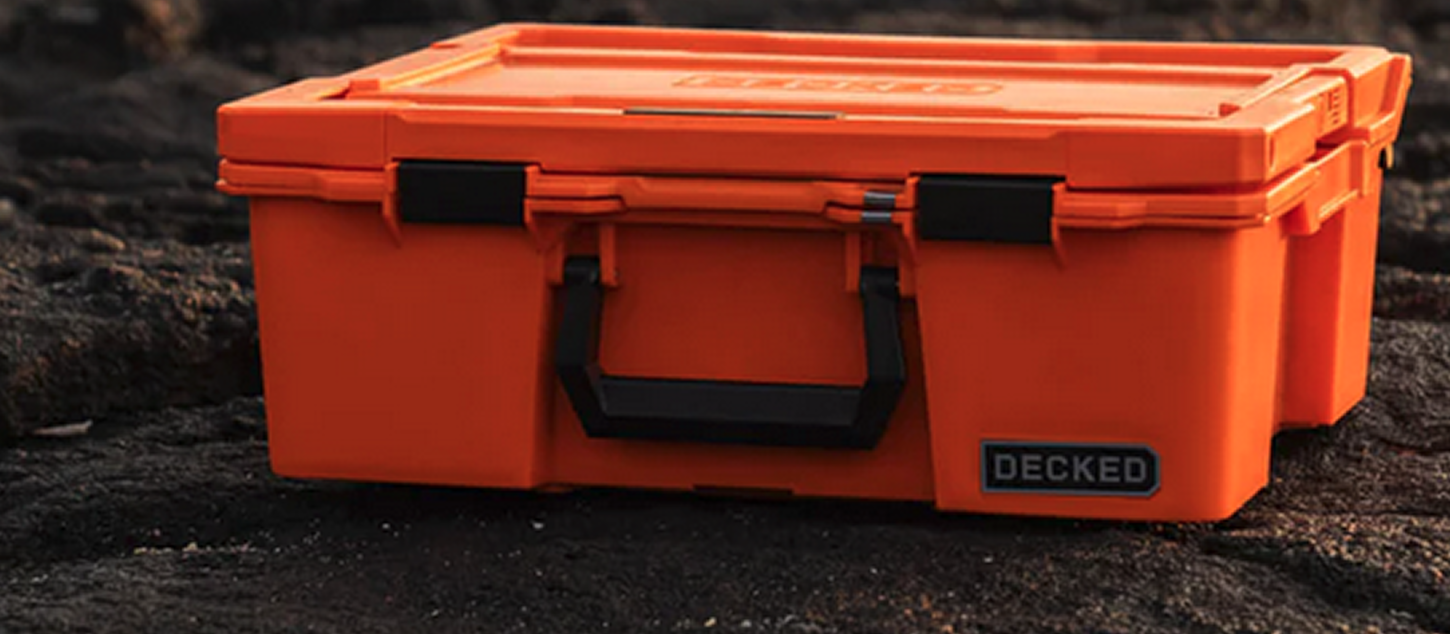
Formulation matters. Fillers, additives, and surface treatments can influence performance. That’s why Polyfuze validates compatibility through material testing before production — ensuring mono-material labeling performs in your specific resin and process environment.
Formulation matters. Fillers, additives, and surface treatments can influence performance. That’s why Polyfuze validates compatibility through material testing before production — ensuring mono-material labeling performs in your specific resin and process environment.
Want to Test your material compatibility?
Want to Test your material compatibility?
Why Polyolefins Are Built to Last…
Hard to Label.
Why Polyolefins Are Challenging to Label…Built to Last. Hard to Label.
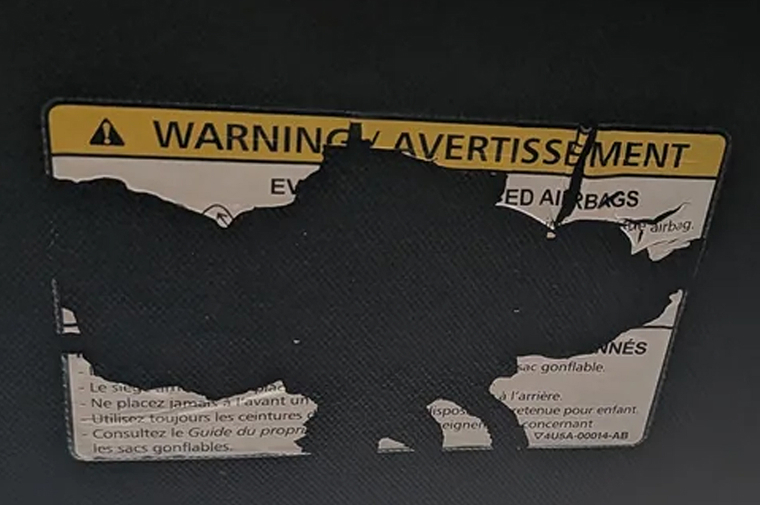
Polyolefins are designed to resist chemicals, abrasion, heat, and moisture. Those same properties make them resistant to adhesives and surface coatings. What we call Low Surface Energy (LSE) material. As products move through wash cycles, handling, and exposure, surface-applied labels degrade.
Old Standards
Polyfuze Solution
What Changes With Mono
Material Labeling
Material Integration, Not Surface Attachment
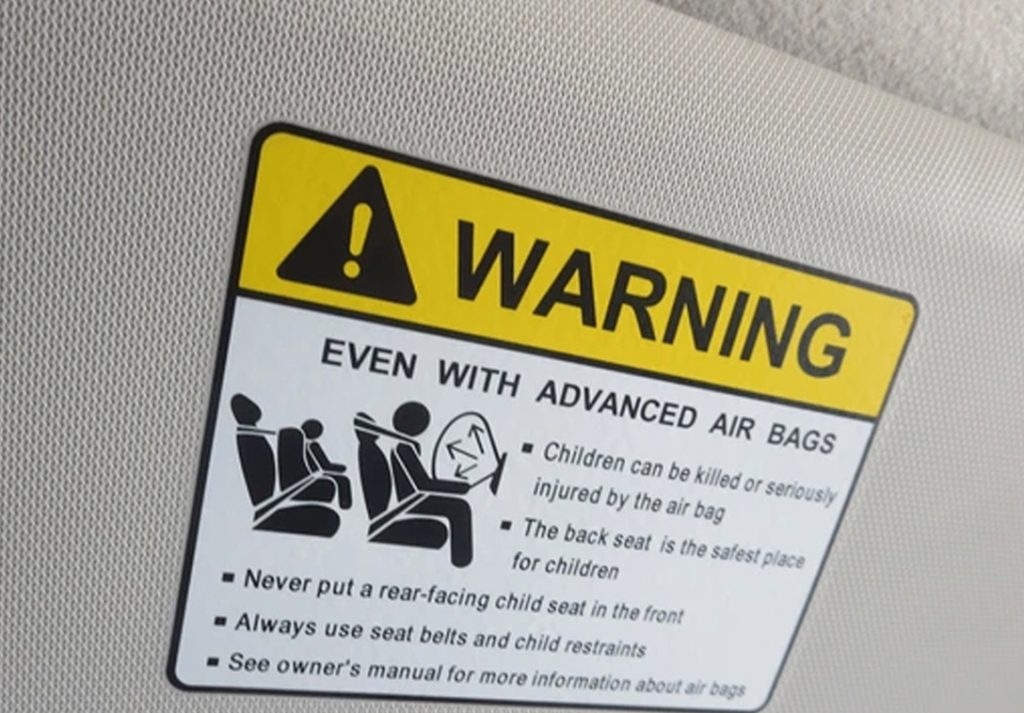
Polyfuze integrates compatible polyolefin graphics using controlled pressure and heat. Identity becomes part of the plastic itself. Not something added post molding.
- Durable identification through real-world use
- Reliable readability for automation and tracking
- Clean material streams for reuse and recycling
Polyfuze Success System
Proven process. Predictable outcome.
Support and expertise provided from validation to production. Designed to deliver our promise effectively to you.